choreographer, dancer, researcher and doula. Working with expanded choreography, participatory processes, and embodied research. Based in Stockholm, Sweden, she has been shaping the dance field since 2005 through artistic creation, education, and long-term collaborative practices.
Often described within the field as a “poetical body investigator,” Madrid explores the body as a medium in constant (r)evolution and as a producer of consciousness, knowledge, and social meaning. Her work positions choreography not only as an aesthetic practice, but as a tool for care, resistance, and transformation, responding to urgent social, political, and ecological questions.
A pioneer of community dance in Sweden, Madrid has worked with participatory and embodied processes since 2008, notably through community dance and theatre initiatives in Botkyrka. Her practice consistently investigates the intersection of collaborative art, social choreography, and embodied memory, engaging both professional and non-professional dancers, performers as co-creators.
Madrid is the artistic director and founder of Rosales, an artistic platform and publishing-based choreographic practice that investigates the spaces between oppression and resistance. Through Rosales, she develops practical and theoretical frameworks grounded in participation, expanded choreography, and long-term research—moving deliberately away from polarized and hierarchical dance practices. Since 2022, Rosales continues as an ongoing choreographic publishing practice, producing digital and physical books that extend choreography into writing, reading, and archival circulation.
She currently leads Mar Lobos Dance Company, focusing on research-driven, process-based works where choreography is treated as a living system rather than a fixed product. Through Mar Lobos, Madrid develops long-term artistic research that allows time, care, and transformation to shape both artistic processes and outcomes, enabling works to evolve across contexts, cultures, and geographies.
Central to her artistic inquiry is an ongoing research into oxytocin, the hormone of bonding, trust, and care, and how it operates in relation to movement, touch, attention, technology, and nature. This research bridges somatic knowledge, contemporary science, artistic research, and ecological thinking, situating the body within complex relational and technological systems.
Alongside her choreographic work, Madrid practices as a certified doula (FUR – Föda utan rädsla / Born Without Fear), integrating care-based knowledge, hormonal awareness, and embodied support into her artistic methodology. This perspective deeply informs her approach to choreography as a practice of holding, witnessing, and co-regulating, within creative processes, performances, and collaborative environments.
Her artistic education includes a Master of Fine Arts in choreography and a Bachelor of arts in dance pedagogy from DOCH / Stockholm University of the Arts (SKH), as well as professional studies in flamenco dance and art at the Cristina Heeren Foundation, Seville. These lineages inform her sensitivity to rhythm, transmission, tradition, and transformation within contemporary practice.
Madrid’s work has been commissioned and presented by Riksteatern, Dramaten, Moderna Museet, Swedish Television (SVT), Stockholm University of the Arts, and numerous international institutions and festivals. She is engaged in long-term artistic collaborations with collectives such as Tvillingskapet and V.C.V.T. (Vuestrxs Cuerpxs son Vuestrx Territorio), reinforcing her commitment to sustained, ethical, and politically conscious artistic processes.
At the core of Paloma Madrid’s practice lies a deep belief in transformation—that bodies, communities, and artistic forms are never static, but continuously shaped through relation, care, and attention. Her work insists on art as a place where change is not only imagined or represented, but actively rehearsed and lived.
As a living archive, her practice continues to grow—inviting new collaborations, contexts, and communities worldwide.
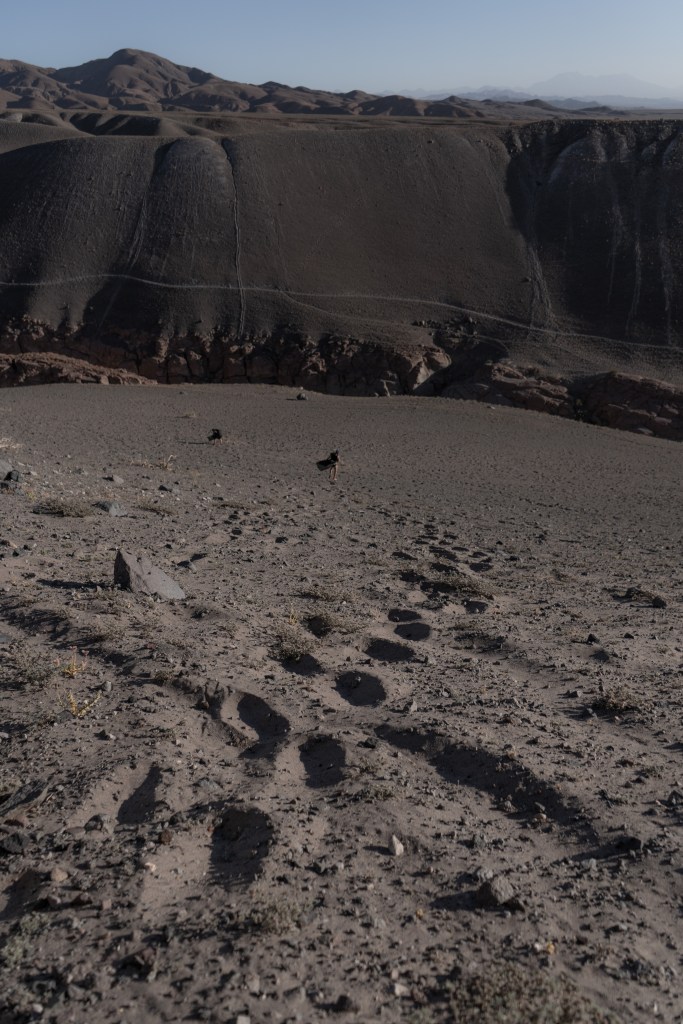
 𝓟𝓪𝓵𝓸𝓶𝓪 𝓜𝓪𝓭𝓻𝓲𝓭